So, you’ve built an impressive Generative AI (GenAI) model, and it performs exceptionally well on your local machine. But here’s the real challenge—how do you take that prototype and transform it into a production-grade system that is scalable, maintainable, and easy to collaborate on?
Many AI projects struggle to transition from a proof-of-concept to a fully functional, production-ready system. Common challenges include:
One of the most crucial yet often overlooked steps? Setting up a robust project structure.
A well-organized repository is the foundation of a successful GenAI deployment. It simplifies collaboration, accelerates debugging, and ensures seamless scaling. In this guide, we’ll break down:
Imagine searching for a single script buried under layers of disorganized folders—frustrating, right? Without a clear structure, things become chaotic quickly. Here’s why an organized structure is a game-changer:
Think of it like building a skyscraper—you wouldn’t start without a clear architectural plan!
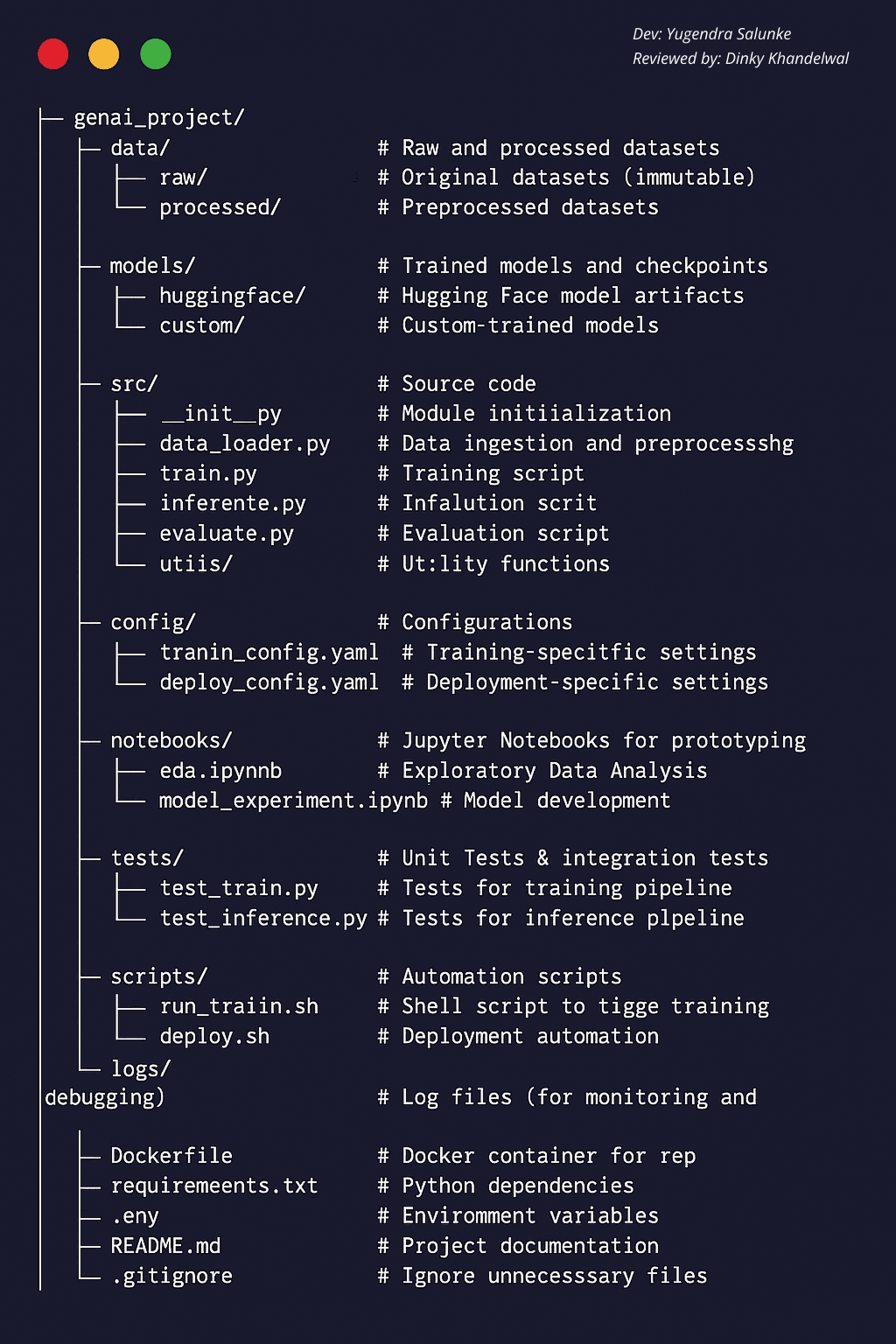
Here’s a sample directory structure to kick off your GenAI project:
Each directory has a clear purpose, ensuring your team (and future you) can:
Let’s break down the key files you’ll need and why they matter:
Keep your code modular by breaking functionality into isolated, reusable scripts. For instance:
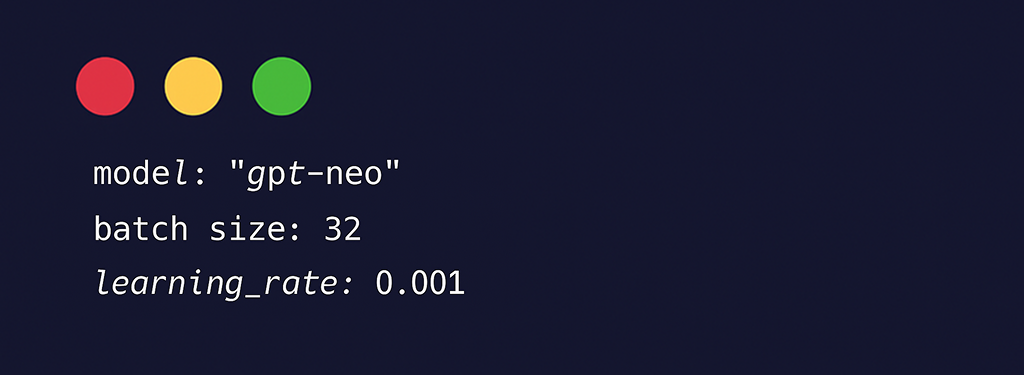
Avoid the pain of changing hardcoded parameters. YAML configuration files provide flexibility and clarity.
Example train_config.yaml:
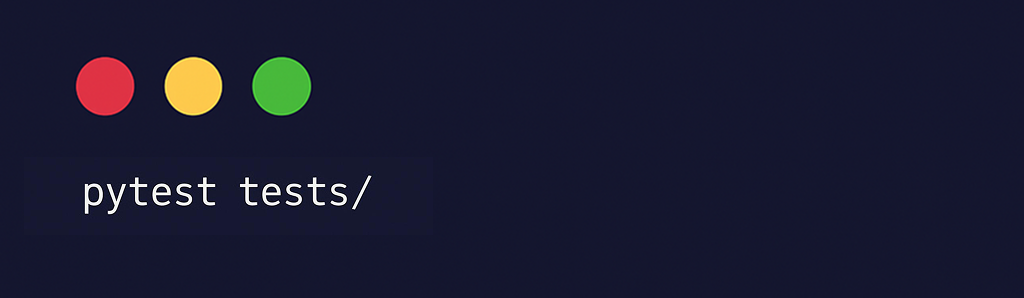
Regular testing catches errors early and ensures code reliability. Use pytest for Python:
Adopt a structured Git workflow. Example commit message:
A comprehensive README.md should include:
If you missed anything, now’s the time to refine your project!
A well-structured GenAI project isn’t just about neat folders—it’s the difference between a smooth deployment and a debugging nightmare. By following these best practices, you ensure your system is scalable, maintainable, and truly production ready.
By implementing this structured approach, your GenAI project will be well-prepared for real-world applications, collaboration, and long-term success!